Hanauma Bay from Waikiki: The Two-Day Window, the Video That Matters, and a Reef You Never Touch
Twenty minutes east, the drowned crater runs on reservations that open two days ahead and vanish in minutes — the bay rests two days a week, the education video is mandatory, and the reef is never touched.
The short version
- The reservation system per the alarm: non-resident timed entries release online two days in advance at 7 a.m. Hawaii time and sell out within minutes in busy seasons — booked through the city’s official portal via honolulu.gov, with entry around the $25 mark plus parking and Hawaii residents on their own free basis.
- The rest days are structural: the nature preserve closes two days each week (the standing pattern: Mondays and Tuesdays) to let the bay recover from visitation — the alarm’s the-fish-appreciate-it clause, and the first planning fact after the reservation itself.
- The mandatory education video runs about nine minutes before first entry — reef biology, the no-touch and no-standing rules, and the preserve’s history from overloved snorkel stop to managed recovery — watched per the alarm like you mean it.
- The reef rules carry legal weight: touching or standing on coral damages decades of growth in a footfall, feeding fish is prohibited, and Hawaii’s statewide law restricts sunscreens to reef-safe formulations — mineral-based bottles pass, the banned chemistries don’t.
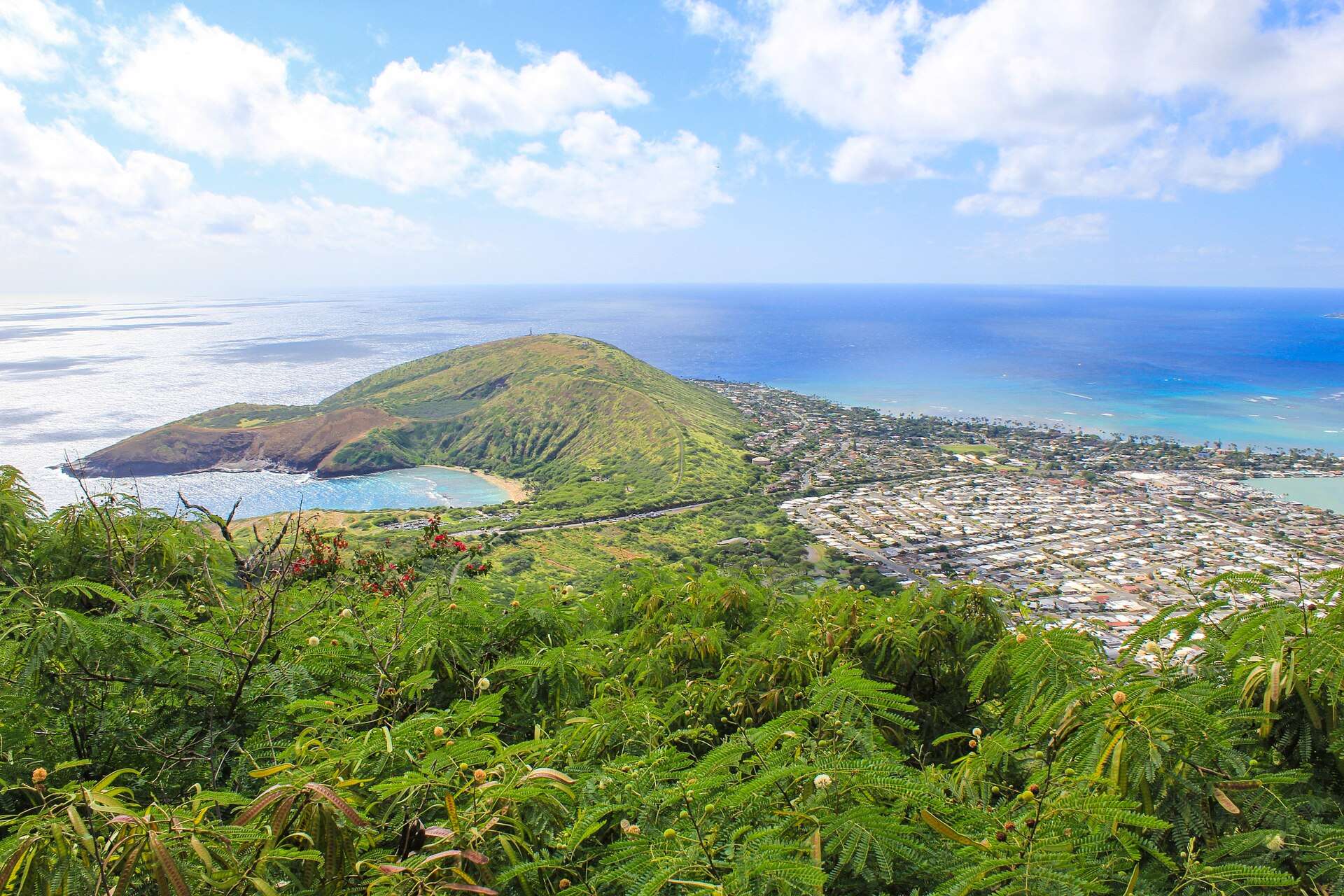
- The geology per the alarm’s closing line: Hanauma is a volcanic crater breached by the sea — the curved bay’s shelter and shallow reef flats are the crater floor, which is why the fish density reads like an aquarium and why the ecosystem bruises so easily.
- The practical layer: the earliest slots swim the clearest water before fins stir the sand, the paved descent runs steep with a tram alternative, snorkel rentals operate on the beach (own gear beats queue), and the bus and rideshare options spare Waikiki visitors the parking lot’s own capacity game.

Getting there
The alarm’s two-day countdown is the trip: reservation portal at 7 a.m. Hawaii time, slots secured in the first minutes, and the calendar built around what you won. The rest-day pattern removes two weekdays before you start. Drivers add the parking lot’s early-fill reality; the bus and rideshare drop-offs bypass it. Gear decisions happen before arrival — own mask-and-snorkel beats rental queues, reef-safe sunscreen applied before entering the water per both law and courtesy.
The visit
The video first, per the alarm’s like-you-mean-it clause — nine minutes that turn a snorkel stop into a preserve visit — then the descent to the crater floor’s beach. The earliest slots deliver the promised clarity: the inner reef flats’ fish traffic (tangs, parrotfish, wrasse, the state fish with the long name working the coral heads), turtles on their own schedule, and visibility that fades steadily as the day’s fins stir the shallows. The rules do the guiding: float over the reef, never on it; stand only on sand; let the channels through the flats carry you rather than shortcutting across coral. The outer edges reward confident swimmers within the lifeguards’ flags and advice. Beach intervals under the palms pace the sessions; the climb back up (or the tram) closes the visit. Half a day covers Hanauma properly — the bay’s whole design, per the preserve’s management, prefers visitors who come early, swim gently, and leave it rested.
When to go
The bay runs year-round with mornings as the standing rule — clarity, parking, and the reef’s calm all favor the alarm’s earliest slots. Winter brings bigger outside surf that the crater’s shelter mostly tames (lifeguard flags govern the exceptions) and whale season on the horizon; summer runs the flattest, clearest water and the fastest sell-outs. The two weekly rest days hold in every season. Rain runoff briefly clouds the flats after storms — the rare morning when the early slot loses its edge, and the fish keep theirs.
Frequently Asked Questions
How hard is it really to get a reservation?
Fair banding: peak seasons sell the two-day release in minutes, shoulder seasons in hours, and persistence at the 7 a.m. moment wins far more often than it loses. Cancellations reopen slots irregularly through the day. Residents enter on separate terms; visitors who miss out find the island’s other snorkel bays waiting without portals.
Is the snorkeling actually good or just famous?
Genuinely good for accessible reef-flat snorkeling — fish density and variety at wading depth that beginner snorkelers rarely meet elsewhere — and famous precisely because of it. Advanced snorkelers calibrate: the inner flats are an aquarium, not a wilderness; the outer reef adds depth and drama within the flags.
What counts as reef-safe sunscreen?
Hawaii’s law bans oxybenzone and octinoxate formulations; mineral sunscreens (zinc oxide, titanium dioxide) are the compliant standard, sold everywhere on-island. Apply well before swimming, or better, wear a rash guard and skip the chemistry over the reef entirely — the video makes the same suggestion.
Why does the bay close two days a week?
Recovery — the preserve’s managed-visitation model (capacity caps, reservations, rest days) rebuilt fish populations and water clarity after decades of overuse, and the closures are the system’s keystone. The difference is measurable and visible, which is why the alarm treats the rules as the product rather than the obstacle.
Hanauma Bay or the North Shore for a water day?
The North Shore (documented on this network with its two-seasons truth) for surf culture and winter’s giant waves; Hanauma for protected snorkeling and the reef’s classroom. Opposite coasts, opposite registers — calm crater versus open ocean — and in winter the answer writes itself by swim ability.