Honolulu Day Tours
I’m Serious Day Tour Man AI, your day trip expert. Ask me anything — where to go, how to get there, and what’s actually worth your day.
Honolulu’s day trips run on reservation systems more than any other American city’s. The Arizona Memorial’s free tickets release on a fixed schedule. Hanauma Bay and Diamond Head both require advance booking. Touching a sea turtle is a federal offense, and the sunscreen in your bag is regulated by state law. None of this is bureaucracy for its own sake — it’s a small island managing the number of people who love it — and knowing the rules ahead of time is what separates a good day from a turned-away one.
Beyond the rules, the island delivers: winter waves the size of buildings on the North Shore, a windward coast in improbable greens, and the only royal palace on American soil.
Here’s what’s worth a day, with real times and honest trade-offs.

Popular Day Trips
North Shore
One Road, Two Seasons
Pearl Harbor
The Dollar Reservation, the No-Bag Rule
Hanauma Bay
The Two-Day Window, the Video That Matters
Pearl Harbor — The Rules and the Weight
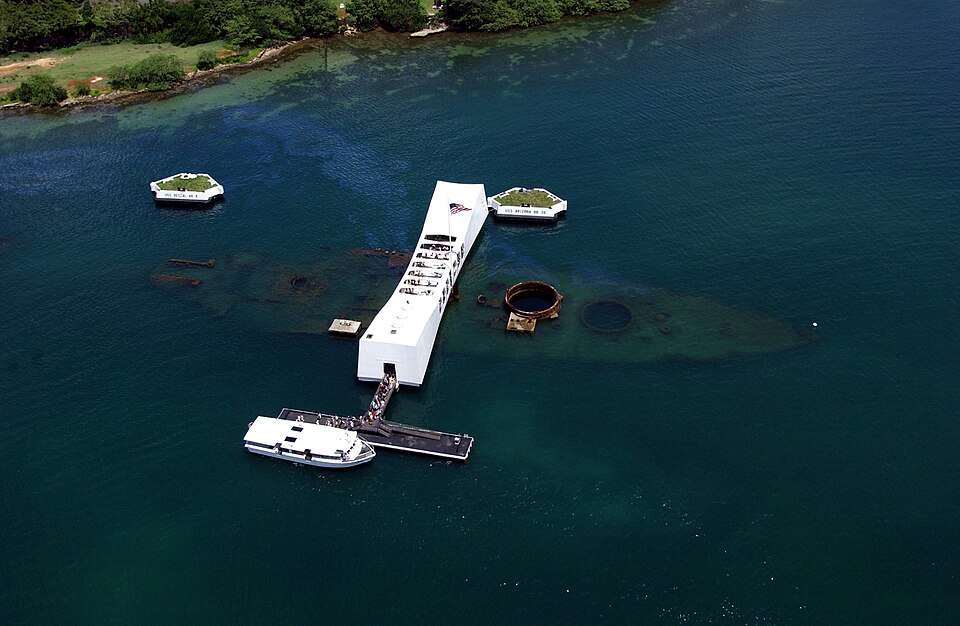
The USS Arizona Memorial is the essential visit: the white span over the sunken battleship where 1,102 men remain entombed, oil still rising a drop at a time. Guides call it “the tears of the Arizona,” and they say it without theater. A Navy launch takes you out, on timed tickets that are free but strictly controlled.
Know the ticket mechanics cold. Reservations open on recreation.gov 56 days ahead at 3 p.m. Hawaii time, rolling daily, with a smaller day-before batch at the same hour. There are no same-day tickets at the visitor center anymore — without a reservation you’re on a standby list with no guarantee. Everyone over age one needs a ticket, and the fee is $1. Arrive an hour early, and don’t bring a bag: bags are prohibited past the gate, and the paid storage line gets long by mid-morning.
The Arizona, with the documentary and the shoreside exhibits, makes the essential half day. History-committed visitors should add the USS Missouri — the surrender deck, so the war begins and ends in one harbor — plus the submarine Bowfin and the aviation museum on Ford Island for the full day. Throughout, remember what the site is: a war grave first, a museum second.
Read the full Pearl Harbor day-trip page.
The North Shore — The Season Is the Product
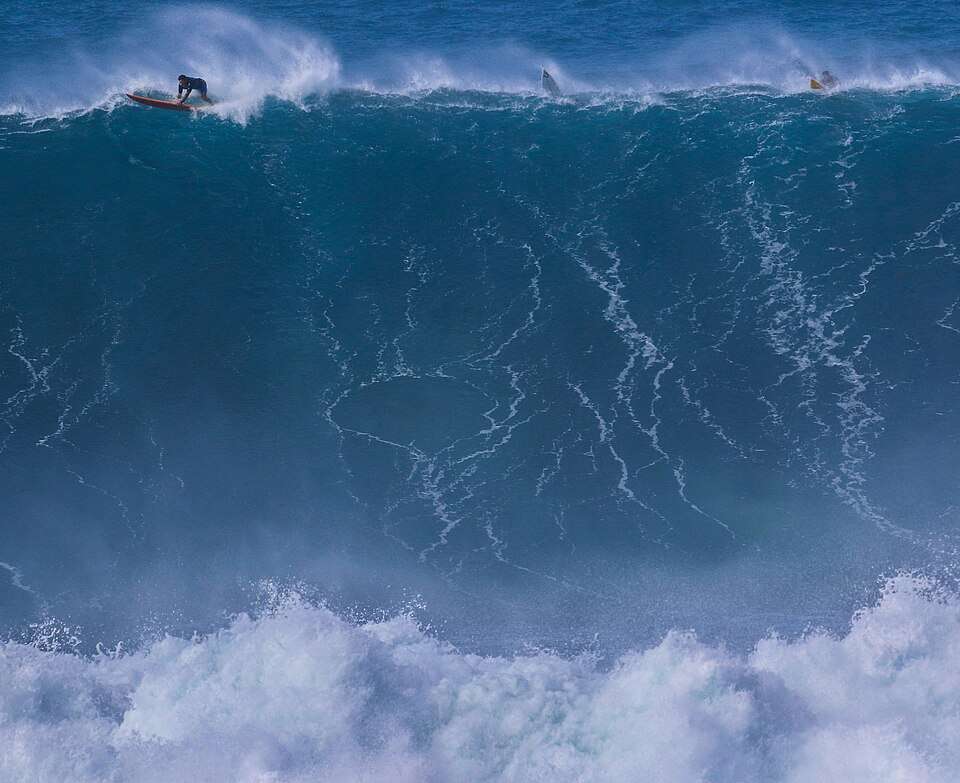
The North Shore sits an hour north. What you find there depends entirely on the season. From roughly November through February, the giant swells arrive: Pipeline and Waimea Bay running twenty-to-forty-foot faces, with the world’s best surfers in residence. Spectate by the local rules — stand where the locals stand, stay out of the shore break, and treat lifeguard instructions as law. In summer, the same coast flattens into swimmable turquoise. Most visitors never hear this honestly: the surf spectacle is strictly seasonal, and a July North Shore day is a beach day.
The circuit works in either season. Get shave ice in Haleiwa town — Matsumoto’s has the famous line, Aoki’s has the shorter one. Eat a garlic-shrimp plate at Giovanni’s truck or one of its rivals. Watch the turtles at Laniakea from the legal distance: sea turtles and monk seals are federally protected, and the volunteers holding the red rope are enforcing statute, not preference. Walk Waimea Valley’s botanical trail to its swimmable waterfall for the non-surf hours.
It’s a full day, and the drive up the windward side and back through the island’s center makes it the classic circle route.
Read the full The North Shore day-trip page.
Hanauma Bay & Diamond Head — The Reservation Twins
These two icons both moved to advance booking, and the discipline for each is the same: set an alarm.
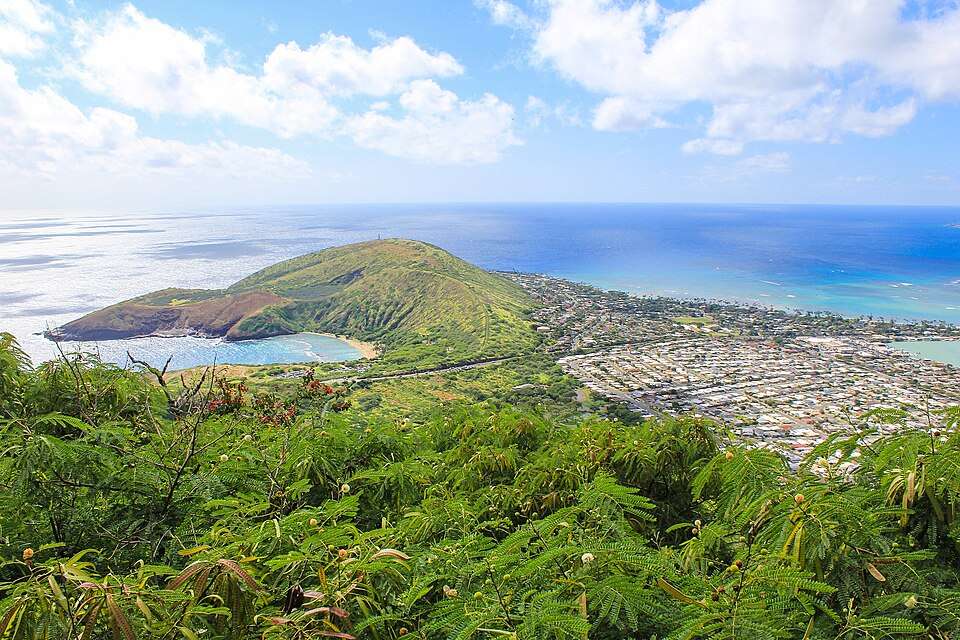
Hanauma Bay is the volcanic-crater snorkel bowl, the state’s most visited reef. Reservations open exactly two days ahead at 7 a.m. Hawaii time and go fast. Entry costs $25 for non-resident adults, children 12 and under are free, and the preserve is closed Mondays and Tuesdays for reef recovery. A conservation video is mandatory before you go down. The reward is the island’s easiest good snorkeling — reef fish at wading depth. The etiquette is absolute: stand only on sand, never coral. Hawaii’s reef-safe sunscreen law, which bans oxybenzone and octinoxate statewide, applies here first and everywhere after.
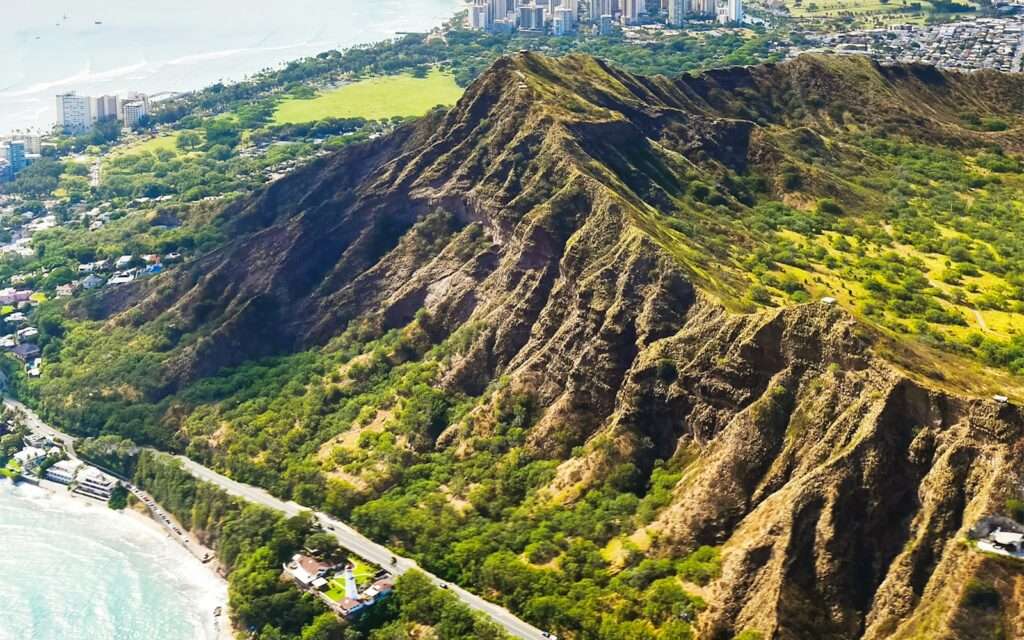
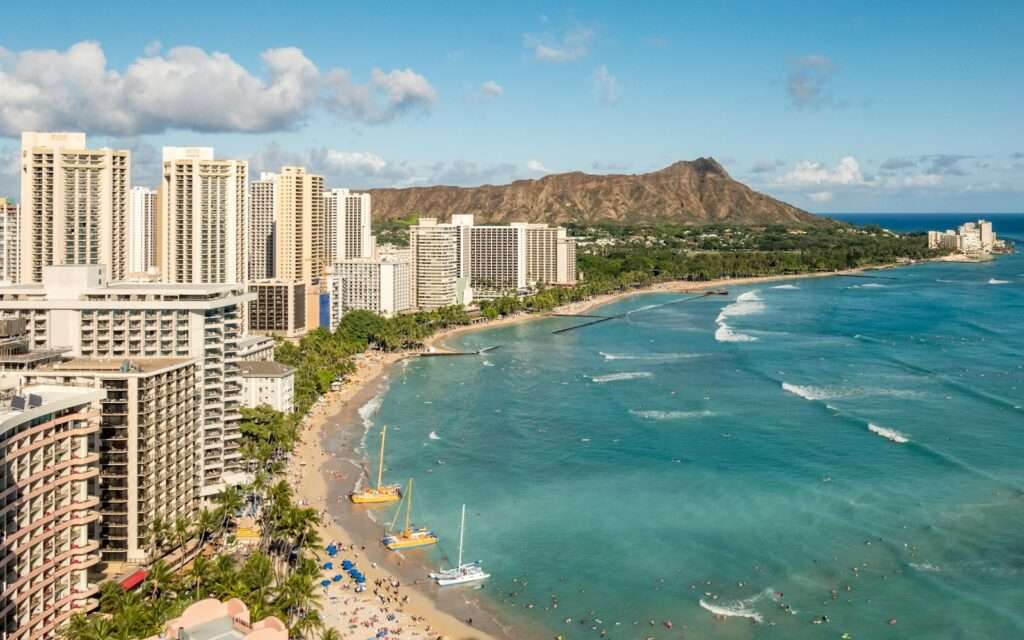
Diamond Head requires advance reservations for non-residents, released 30 days ahead at midnight Hawaii time; the sunrise slots sell out within hours. The climb to the summit bunkers is short but real — switchbacks, stairs, a tunnel, about an hour up in growing heat — and the Waikiki panorama at the top is the best free view on the island. Book the first slots of the morning: cooler, quieter, better light.
Both in one day is possible — Diamond Head at dawn, Hanauma mid-morning — but it takes two successful bookings. Either alone anchors a half day well.
Read the full Hanauma Bay day-trip page.
The Windward Side — Kailua, the Temple & the Ranch
Cross the Pali or round Makapuʻu Point and the island turns green. Kailua and Lanikai are legitimately among the finest beaches in the country: powder sand, with offshore islets at kayak distance. Know the practical catch — Lanikai is a residential neighborhood with no facilities and permanently scarce parking. Arrive early, rent a bike in Kailua town, or accept Kailua Beach Park’s facilities instead of Lanikai’s prettier but bare stretch.
Build the day with these stops. The Makapuʻu lighthouse trail is paved, family-manageable, and good for whale sightings December through May. The Byodo-In Temple in the Valley of the Temples — a replica of Kyoto’s Phoenix Hall set under the Koʻolau cliffs, with incense and black swans — is a serene hour and photographs beautifully. Kualoa Ranch, the private valley where Jurassic Park and dozens of productions filmed, runs movie-site, ATV, and zipline tours; it’s a well-run commercial operation on genuinely spectacular land, and the movie-sites tour is the one first-timers mean. Book it ahead.
Stop at the Nuʻuanu Pali Lookout on the way. It marks the cliff of the 1795 battle that unified the island, and the wind through the gap has been taking visitors’ hats for two centuries. Hold yours.
The Circle Island Question
The classic Oʻahu tour loops the whole coast — North Shore, windward side, southeast lookouts — in nine to ten hours. Judge it honestly: it’s a sampler of stops timed in minutes, not experiences timed in hours. You’ll see Hanauma from the overlook rather than in the water, and Lanikai from the van.
The format works for two groups: first-time visitors who want orientation, and travelers without a car. The smart version uses it as a day-one scout, then returns by rental car or targeted tour to the two places you liked most. The alternative is to skip the loop and give the North Shore and the windward side a full day each.
If you self-drive, respect the traffic. The H-1 at rush hour is slower than anything most mainlanders expect, beach lots at every famous name fill by mid-morning, and the early start is the island’s universal answer. From December through May, humpback whales run close to shore and upgrade every coastal lookout for free.
ʻIolani Palace, Waikiki & Honolulu Itself
Start the city day with the monarchy. ʻIolani Palace is the only royal palace on American soil — electrified before the White House, home of the Hawaiian Kingdom’s last monarchs, and the site of Queen Liliʻuokalani’s 1893 overthrow and later imprisonment in an upstairs room. Take the docent-led tour; it tells the annexation history with a directness that reframes the rest of your vacation. Add the Bishop Museum’s Hawaiian Hall for the deep culture — the feather cloaks and the Hōkūleʻa voyaging story are the substance — and Chinatown’s lei shops and lunch counters for the working-city hour.
Judge Waikiki honestly: a built resort strip on a genuinely beautiful, engineered beach. The sand is imported and maintained; it’s still soft. The offshore breaks are where modern surfing began, and a first lesson at the gentle Canoes break is the right way to try it — Duke Kahanamoku’s statue on the sand is the history in bronze. The free evening rituals deliver the postcard without a dinner-show ticket: Friday fireworks off the Hilton lagoon, and the torch-lighting and hula at Kūhiō Beach.
Eat like this: poke by the pound from a fish counter, not a tourist bowl. Plate lunch with both scoops of rice. Malasadas from Leonard’s while they’re hot. Shave ice with lilikoi — “rainbow” is for photographs. And take the visitor codes seriously: the rules about reef, wildlife, sacred sites, and residential streets aren’t marketing. They’re taken seriously here, and the trip goes better for visitors who arrive knowing them.
Frequently Asked Questions
How do you get USS Arizona Memorial tickets?
On recreation.gov — free plus a $1 fee, released 56 days ahead at 3 p.m. Hawaii time, with a day-before batch at the same hour. There are no same-day tickets at the visitor center; arrive an hour early and leave bags behind.
When are the big waves on the North Shore?
Roughly November through February — Pipeline and Waimea at their giant best, with lifeguard instructions as law. Summer flattens the same coast into calm swimming; the spectacle is strictly seasonal.
Do you need reservations for Hanauma Bay and Diamond Head?
Yes to both. Hanauma’s slots open two days ahead at 7 a.m. Hawaii time, and the preserve closes Mondays and Tuesdays. Diamond Head opens 30 days ahead at midnight for non-residents, and sunrise slots go within hours.
Is a circle island tour worth it?
As a first-day scout or a car-free option, yes — a nine-to-ten-hour sampler with stops timed in minutes. Then give a full day each to the North Shore and the windward side, or return to the two stops you liked most.
Can you touch the sea turtles?
No — turtles and monk seals are federally protected, with real viewing distances enforced. The volunteers with the rope lines are applying law, not preference. Take the photo from ten feet.